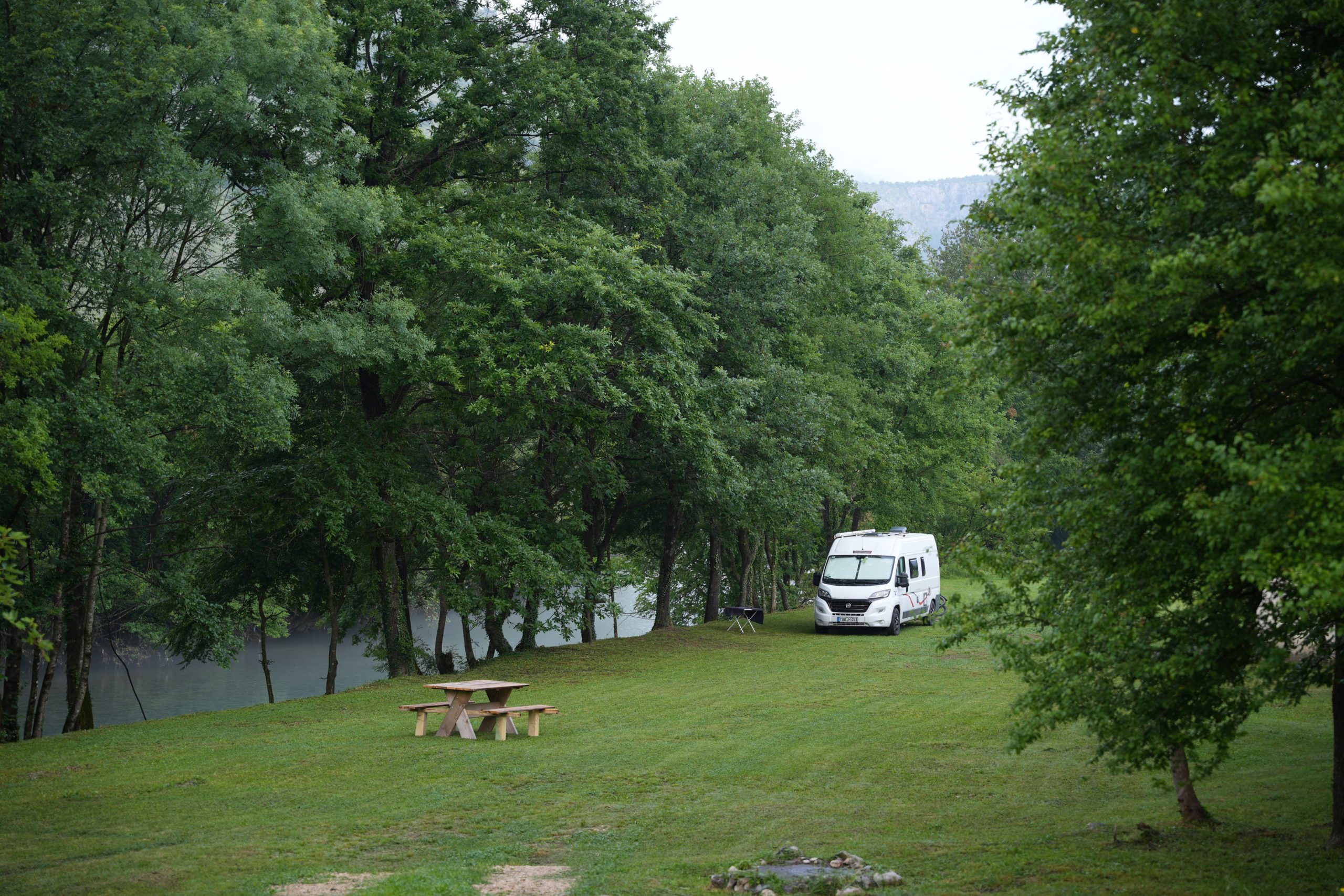
Camping Nähe Kloster Ostrog

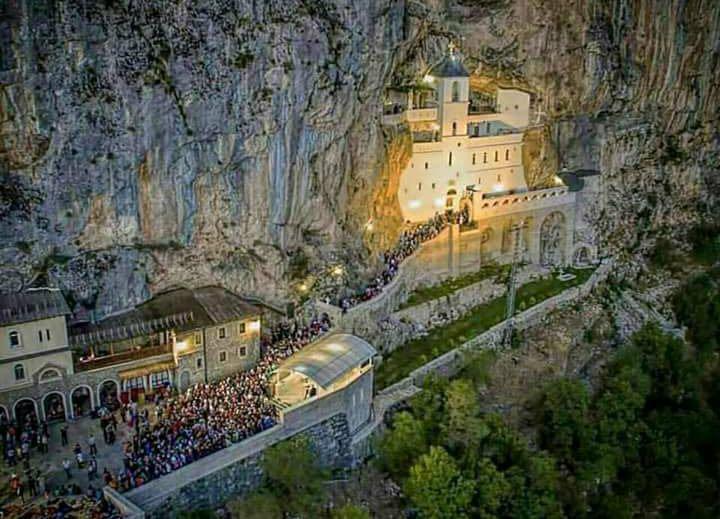
The Ostrog Monastery (Serbian: Манастир Острогromanized: Manastir Ostrogpronounced [ǒstroɡ]) is a monastery of the Serbian Orthodox Church situated against an almost vertical background, high up in the large rock of Ostroška Greda, in Montenegro. It is dedicated to Saint Basil of Ostrog (Sveti Vasilije Ostroški), who was buried here. From the monastery, the Bjelopavlići plain can be seen. The monastery is located in Danilovgrad Municipality,[1] 50 km away from Podgorica and 15 km away from Nikšić. From Camp Aquarius is cca 10km. Ostrog monastery is the most popular pilgrimage place in Montenegro.


How to get there – Read by clicking here

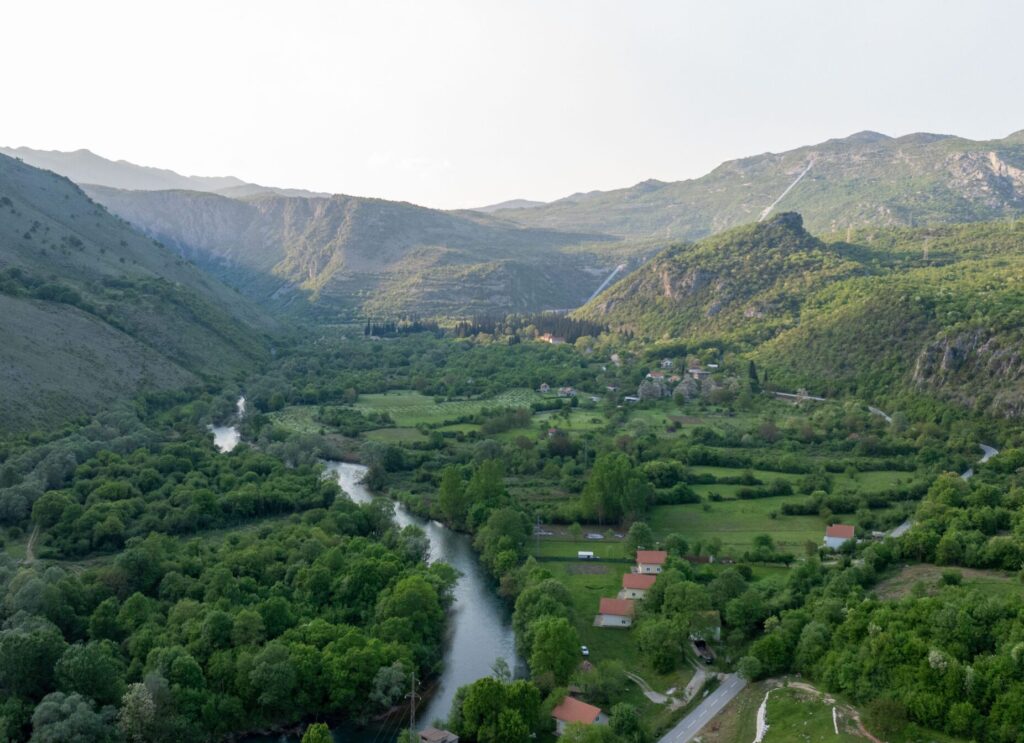
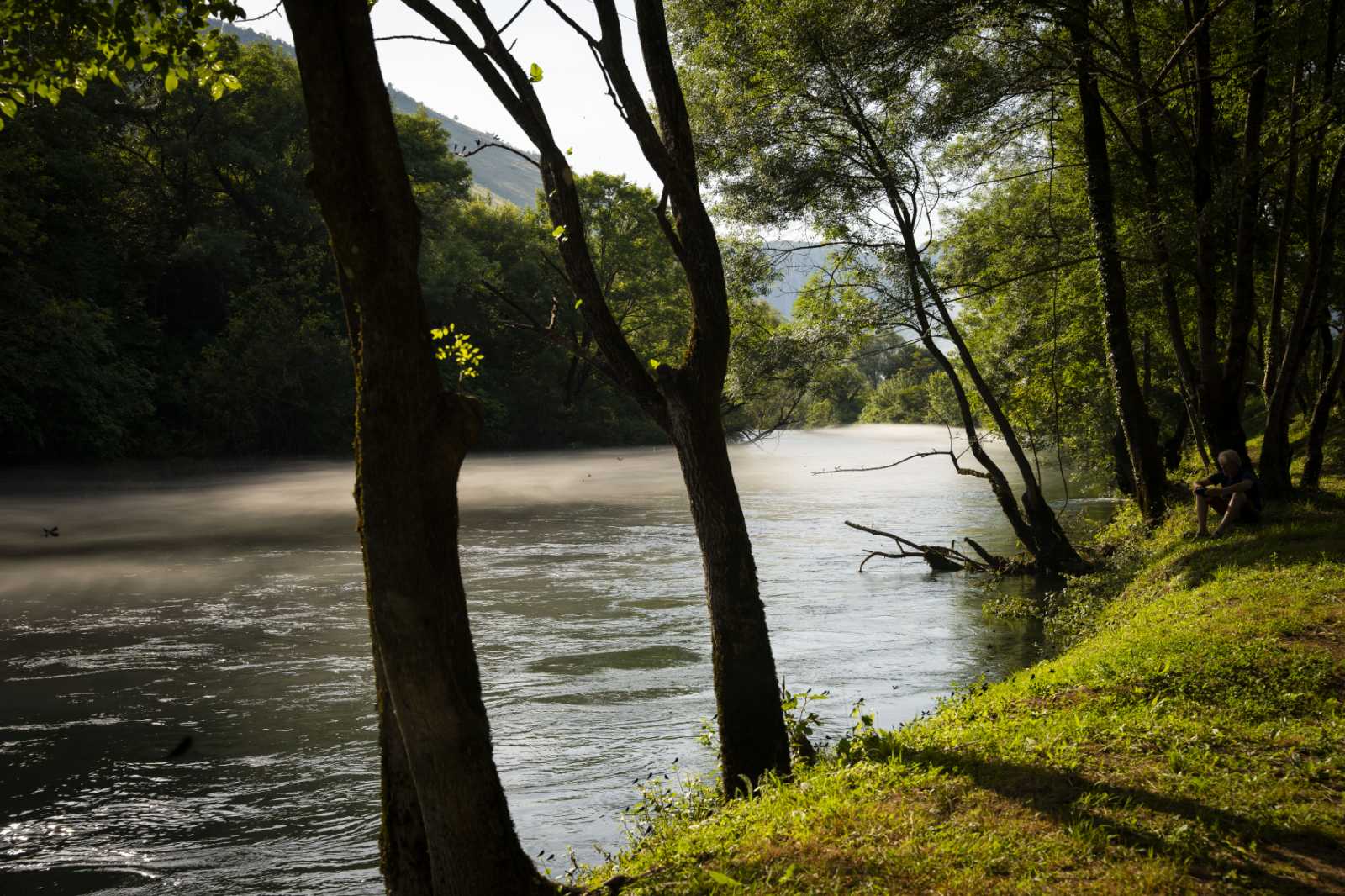
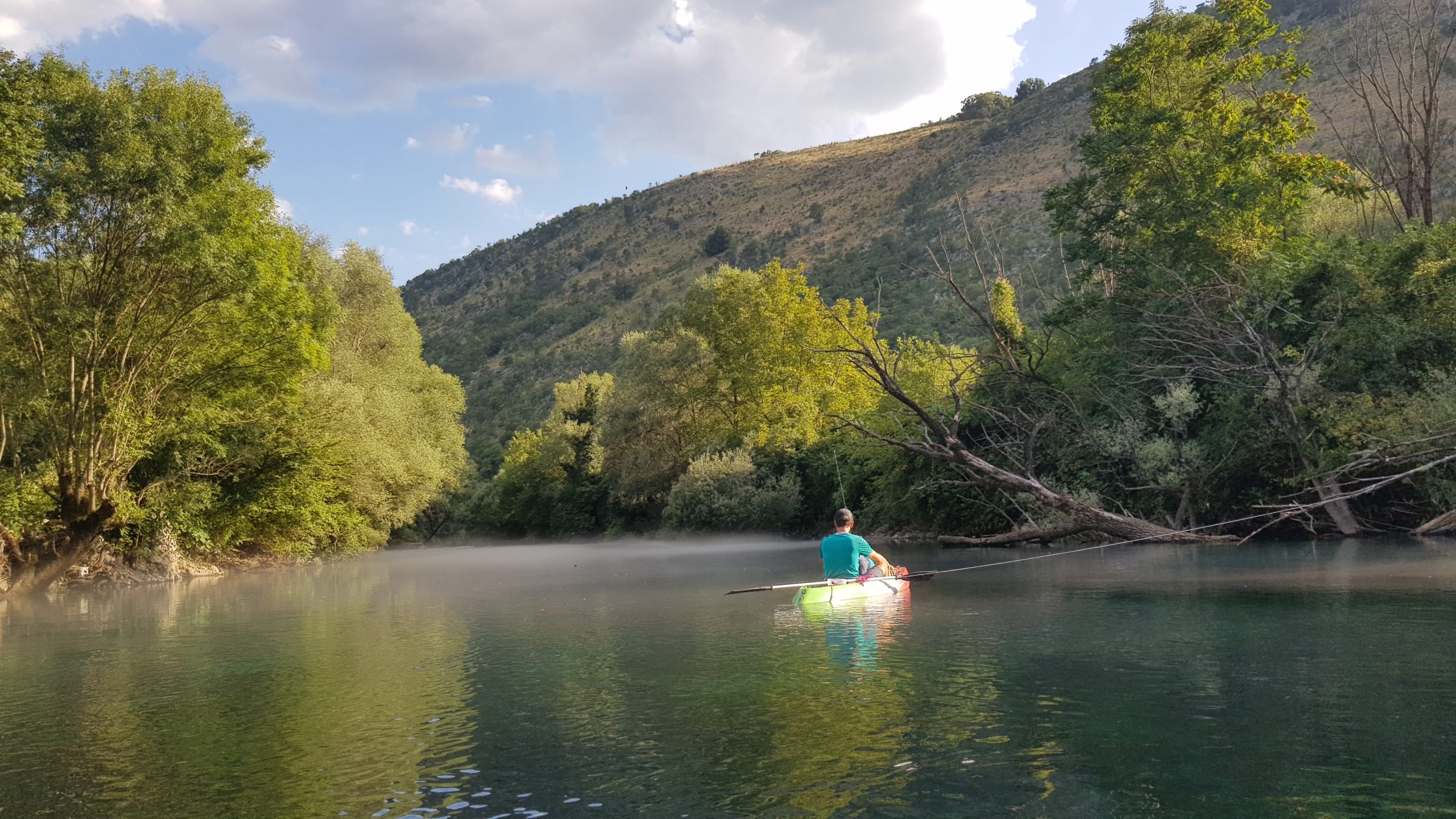
One of the rivers without which there would be no life in central MontenegroRiver Zeta has been declared a Nature Park in 2019, by the decision of the Government of Montenegro, at the initiative of the Municipality of Danilovgrad. Thus, Zeta became an area of special importance for Montenegro, having in mind the significance of its biodiversity.

The valley of the River Zeta and the river itself is an important ecosystem for Montenegro. Of the 352 registered bird species in Montenegro, 20% of the total number are bird species present in this area. As many as 774 species of plants have been registered in the Zeta River Valley, which is again slightly more than 20% of plant species in Montenegro.

Camping near Ostrog Monastery

Explore the Countryside by E-Bike

If you have a bike, e-bike or motor bike we can sugest some tracks so you can get more familiar with nature, nearby restourants and scenic roads. 

For more informatio about routes you can click here

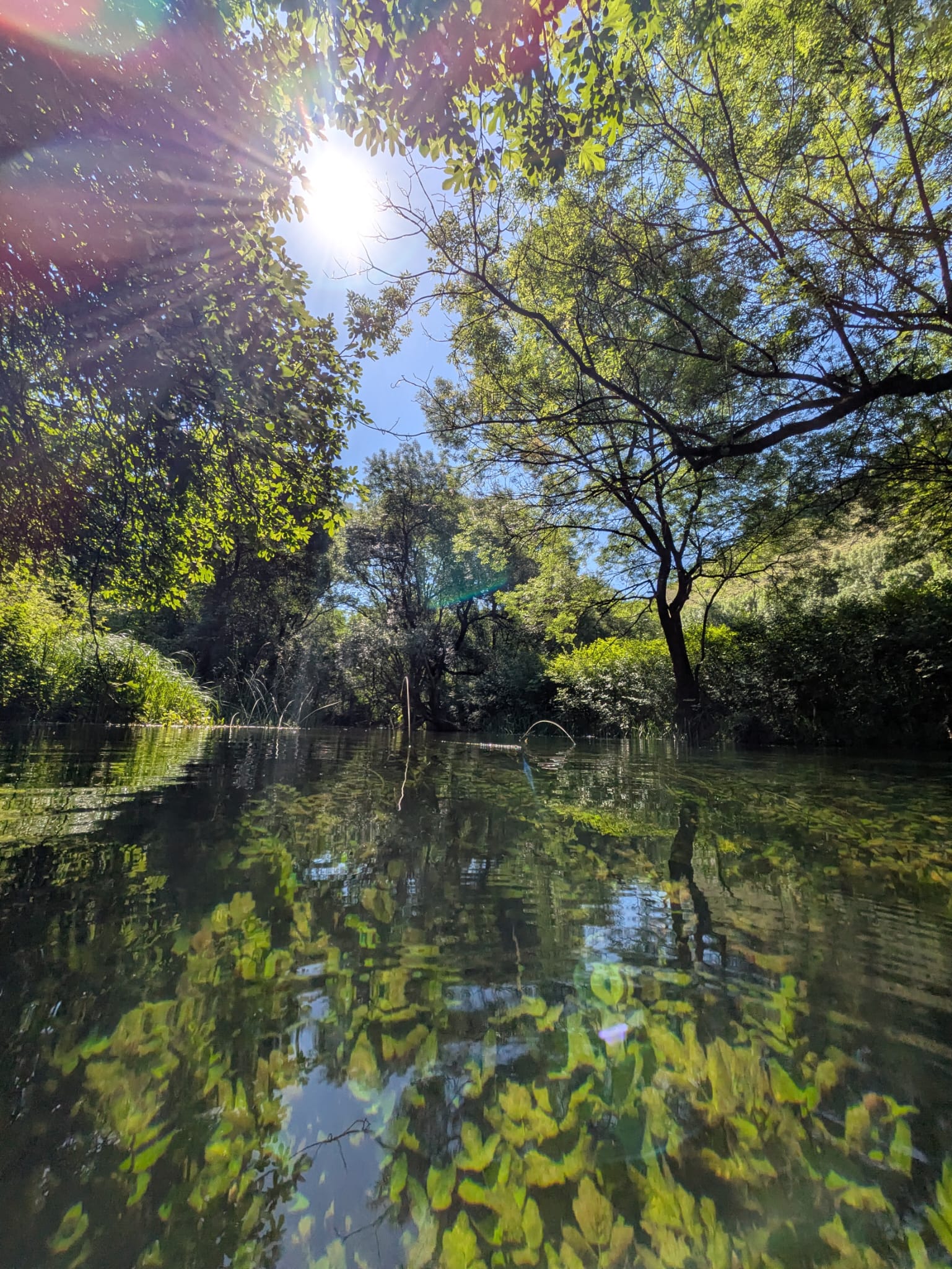
Oboštičko Oko – Montenegro’s Hidden "Blue Eye"

Discover one of the best-kept secrets of the River Zeta Nature Park, located just a short distance from Camp Aquarius.


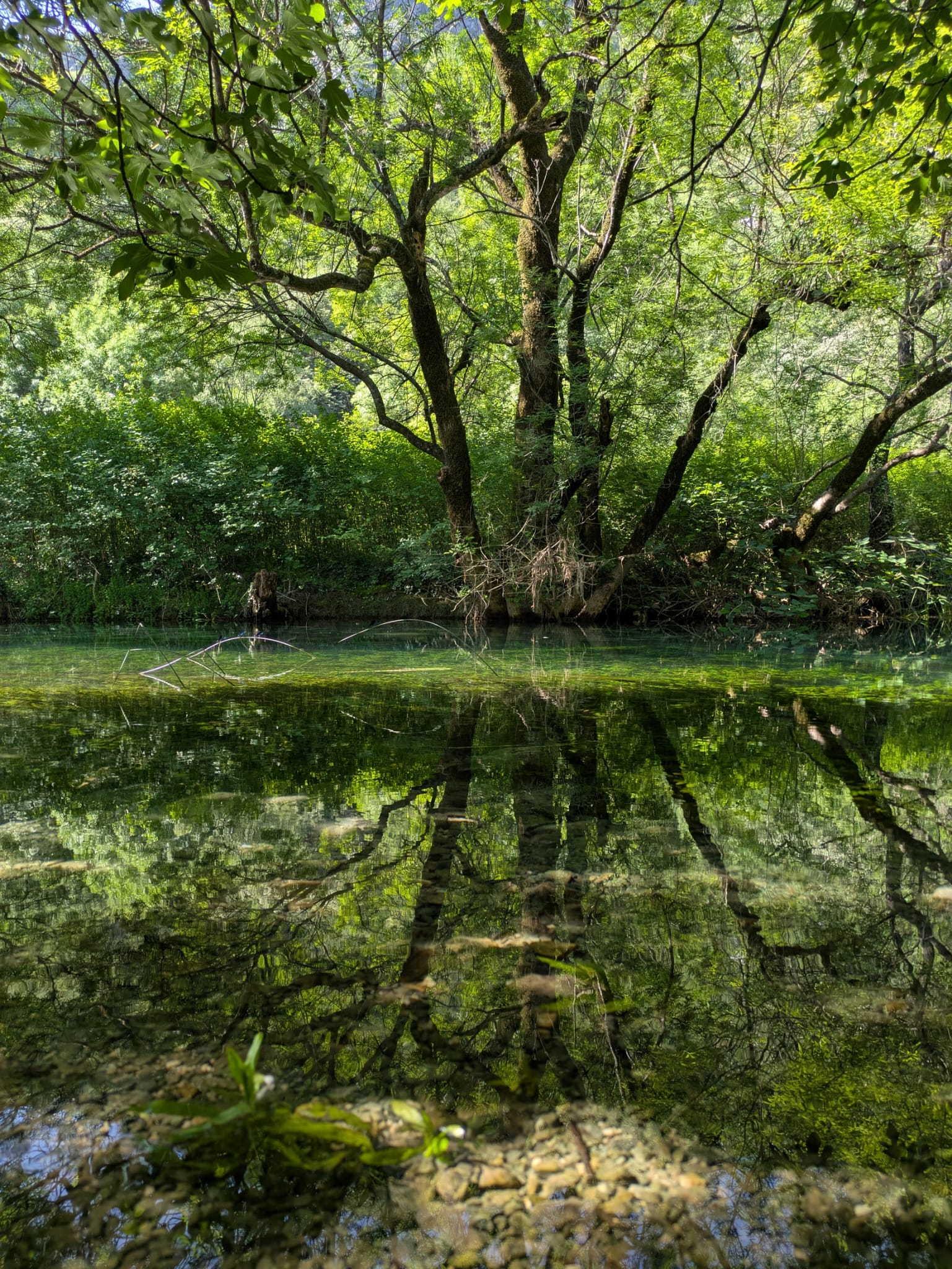
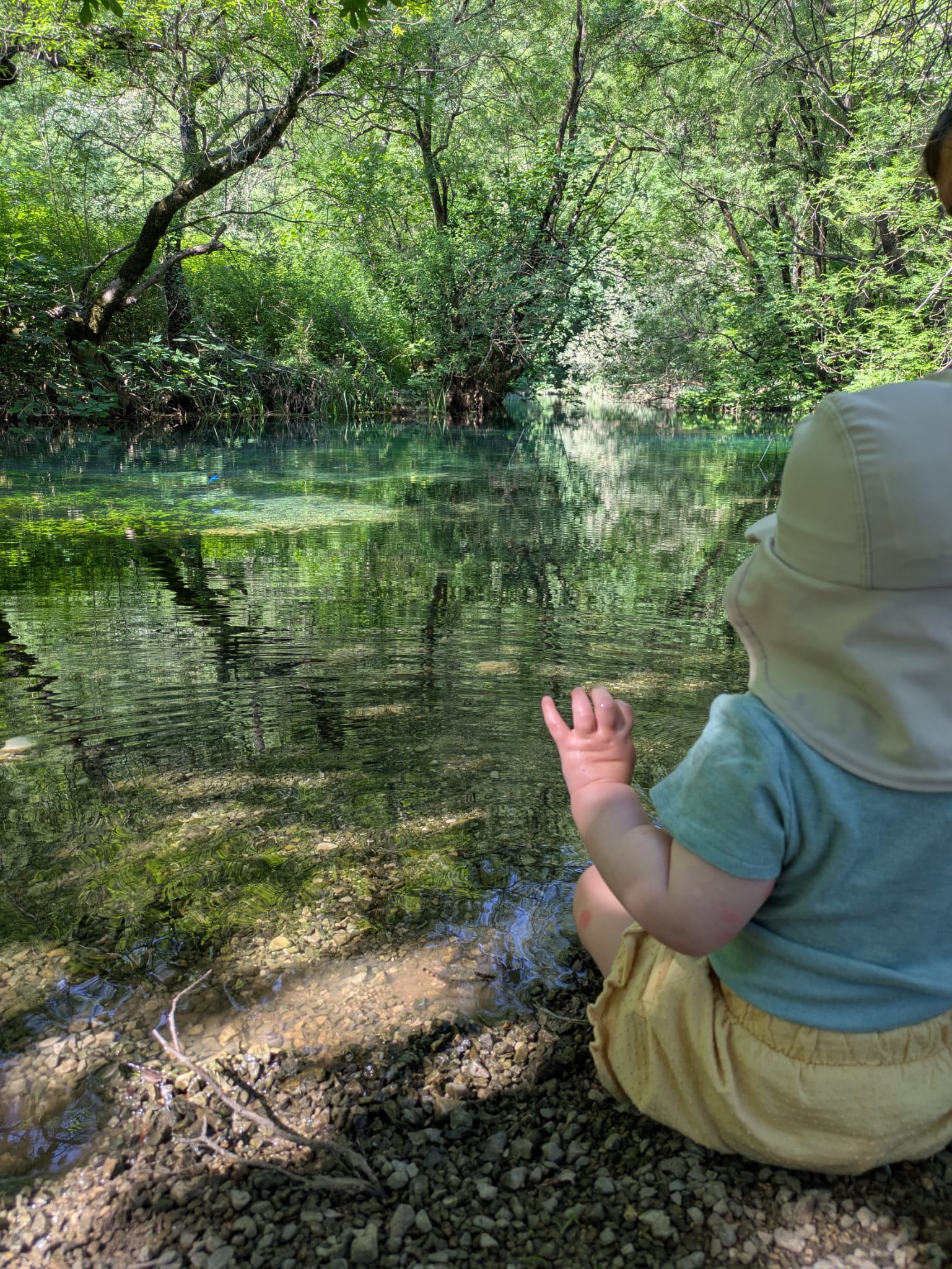
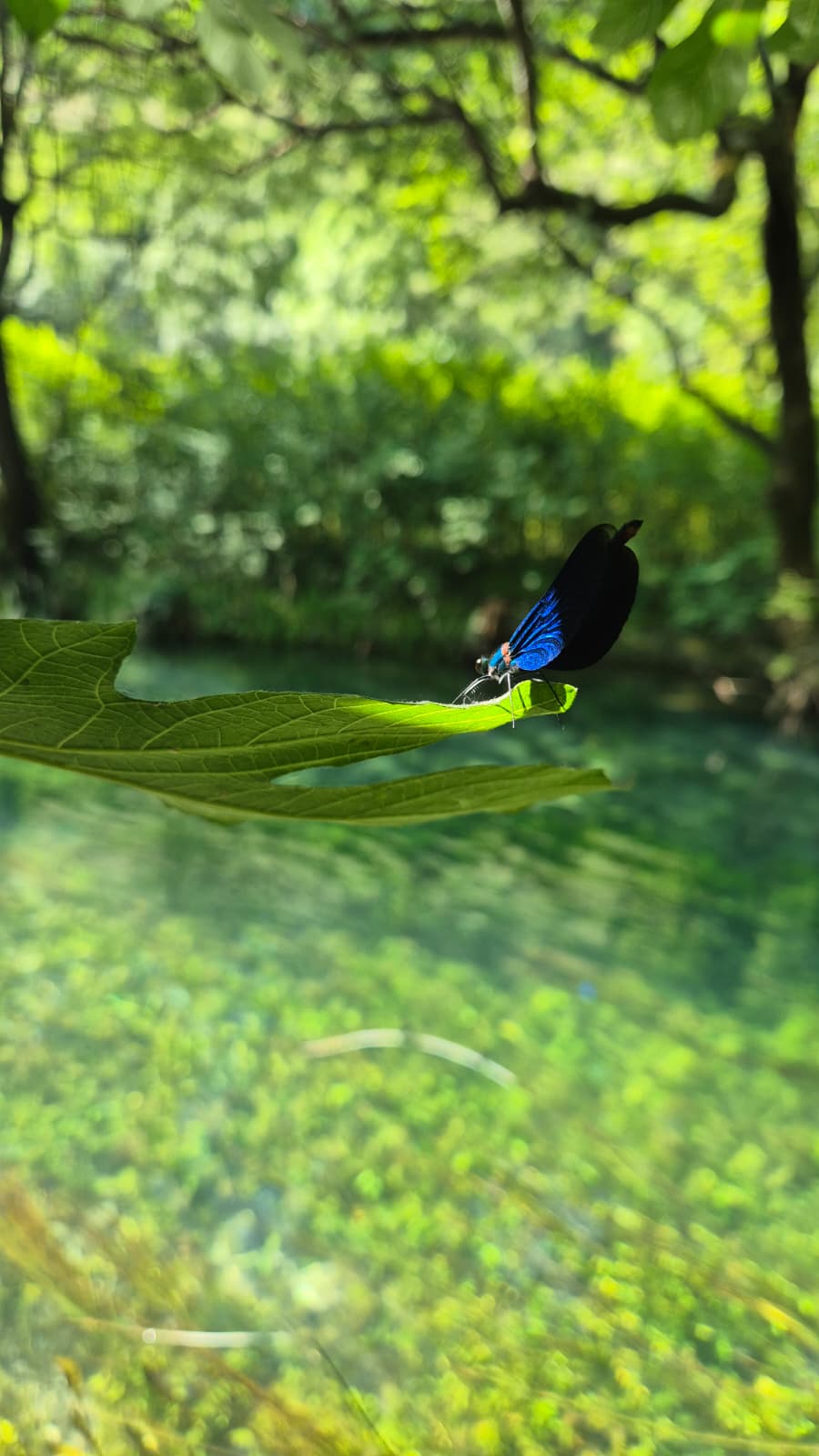
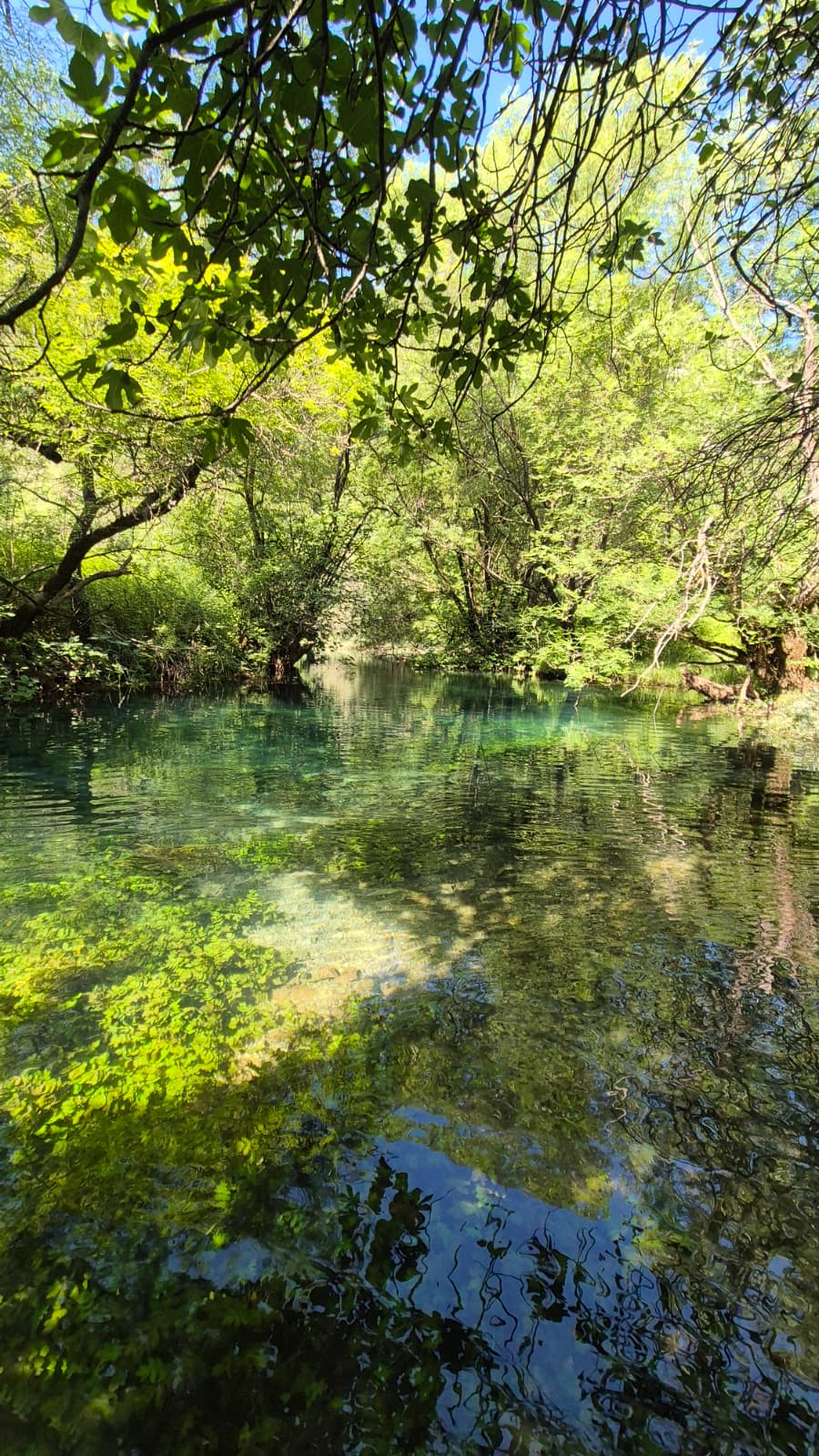
Oboštičko oko (The Eye of Oboštica) is a mesmerizing, deep-blue karst spring (vauclusian spring) that will leave nature lovers and photography enthusiasts in awe.


This incredible hydrological phenomenon is the source of the Oboštica river, a right tributary of the Zeta.


Scientists and divers have proven that this deep pool is fed through a complex system of underground caves and channels carrying water all the way from the sinkholes in Nikšić field.


A Changing Wonder: Depending on the season, you will experience two different worlds. In winter and spring, after heavy rains, the “Eye” wakes up with immense power, gushing out up to 20 cubic meters of water per second. In the warm summer months, the water calms down, revealing a deep, crystal-clear turquoise pool hidden under thick green foliage.How to visit: Because it is tucked away from the main tourist crowds, it remains an authentic piece of untouched wild beauty. It is an ideal destination for a scenic e-bike ride, a hike, or a quick adventure directly from our camp.


Note: Due to the extreme depth, strong underwater currents, and complex cave systems, diving and swimming are only recommended for professionals, but the view from the shore is absolutely spectacular!

Visiting Monastery Ostrog - Where to Eat Nearby

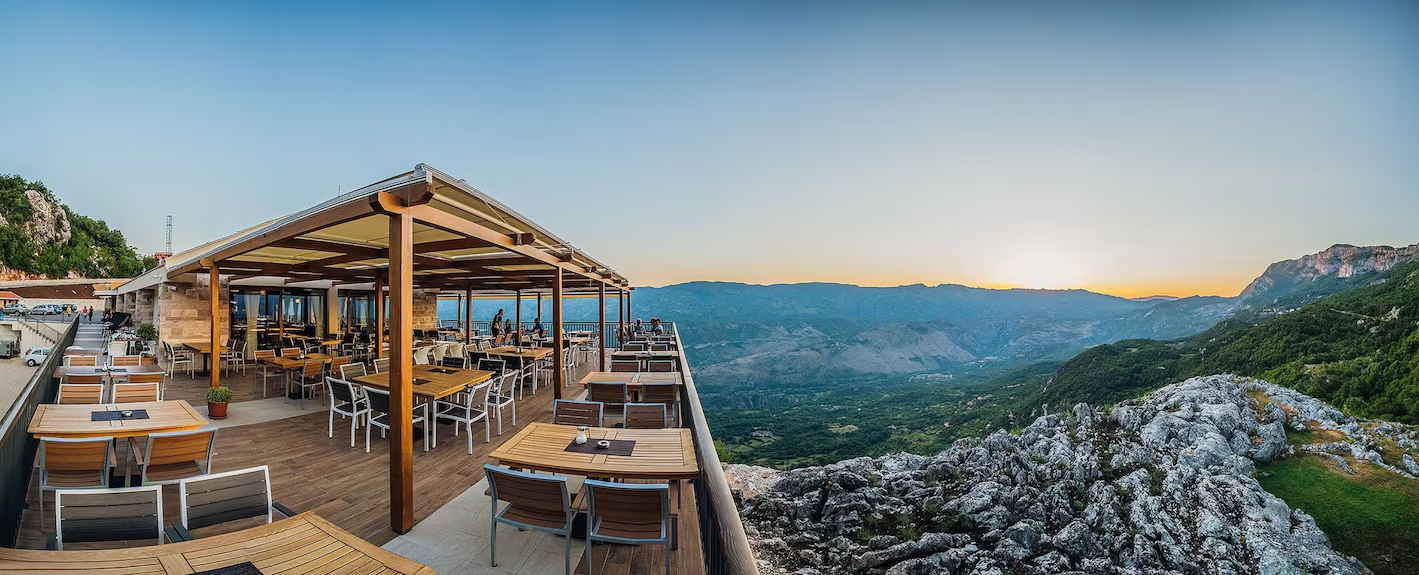
After your visit, we highly recommend stopping at Hotel Sokoline.

  • Located 4.5km drive from the Lower monastery Ostrog
  • Offers stunning panoramic views of the surrounding landscape
  • Known for excellent local cuisine and a relaxing atmosphere (4 stars restaurant)

It’s a perfect place to enjoy lunch after exploring Ostrog.

Location of Sokoline is on the link here

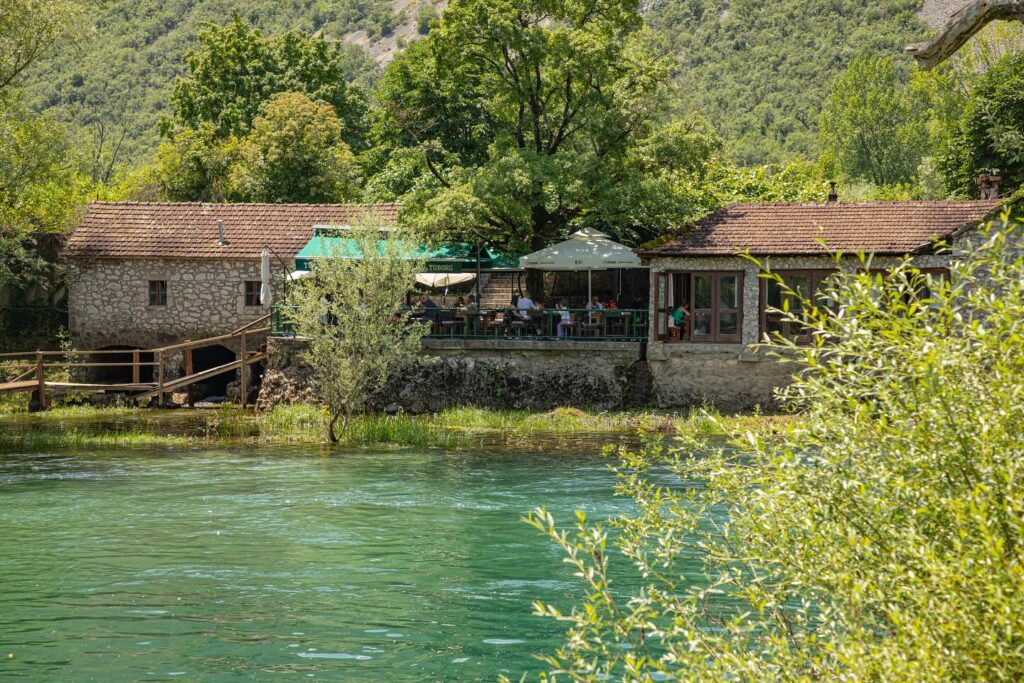
Local restaurant - Konoba Svera

Hidden in nature near the Zeta River, this traditional Montenegrin tavern is a perfect stop during your ride.


🌿 Why stop here?

  • Beautiful riverside location with peaceful atmosphere
  • Authentic local food made from fresh ingredients
  • Perfect place to rest, recharge, and cool down

Visitors especially love the relaxed setting and the chance to sit right by the water.


🍴 What to try

  • Fresh river fish (trout, carp, fish soup)
  • Grilled meat and traditional dishes
  • Homemade bread, local wine 🍷

The restaurant is known for fresh fish sourced directly from the nearby river and simple, authentic cuisine.


You can get to the resaurant on foot (3,5km from our place). You can also go by bike or car. For directions visit link clicking here

Danilovrgad Art colony

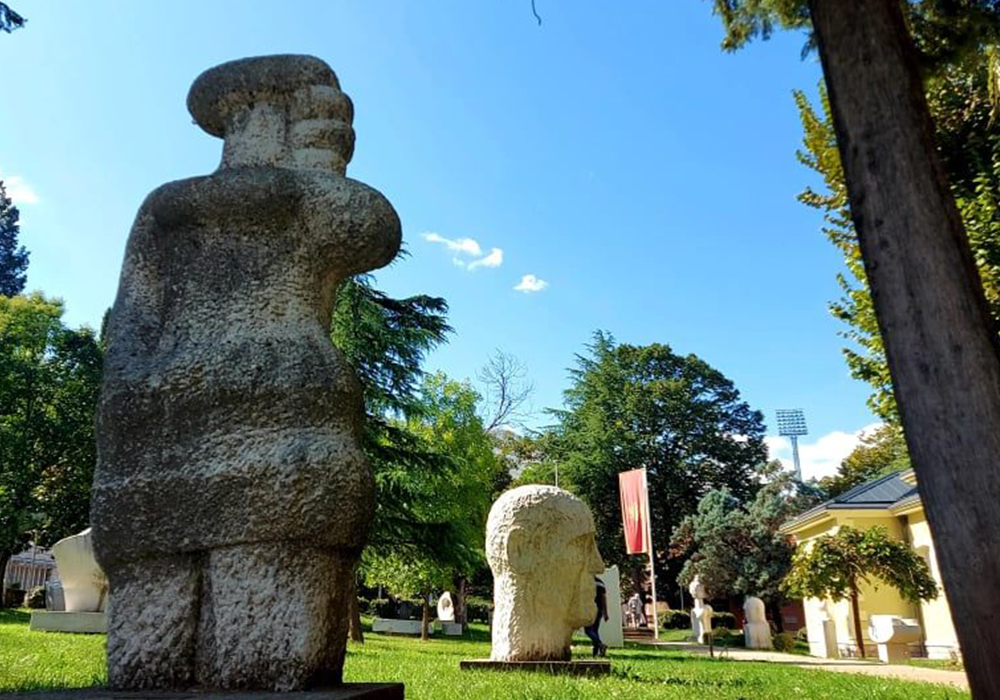
The Danilovgrad Art Colony has been bringing together renowned sculptors since 1972. The colony provides financial resources, sets the dates for symposia, invites artists, preserves artworks, and organizes their presentation and promotion both nationally and internationally. From its early steps, specifically since its founding in 1972 within the Danilovgrad Cultural Center, the Art Colony has expanded beyond the municipal level, gaining republican and federal significance.

In 1974, the first international artists visited the colony through the Montenegrin Academy of Sciences and Arts. For one year, the colony operated under the patronage of the “Mermer” factory in Danilovgrad. After that period, it was returned to the Danilovgrad Cultural Center.


Through its organization and quality of work, the colony earned its greatest recognition—being included in international institutions. For many years, it has welcomed numerous foreign artists, while, based on reciprocity, it also sends Montenegrin artists to international art colonies. The Danilovgrad Art Colony pioneered the nurturing, creation, and execution of sculptures for open spaces, making it unique and highly significant for the development of visual arts in the region.


Danilovgrad is currently one of the few cities in the former Yugoslavia, and the only one in Montenegro, with an open-air gallery featuring over one hundred sculptures of gallery and spatial format. By decision of its founders and the Managing Board, as of July 1, 1999, the Danilovgrad Art Colony has been operating as an independent institution, striving to regain its place on the international cultural scene.

National museum Danilovgrad

The cultural activities of Danilovgrad take place within the Culture Center, of which the Native Museum is an integral part. The museum is located in Ljetnjikovac of Prince Nikola I Petrović, built between 1873 and 1893. The native museum in Danilovgrad was founded in 1960.


Until 1965, when it was opened to the public, it served exclusively as a depot for keeping museum objects. It contains very valuable exhibits: folk costumes, various types of weapons, decorations, coats of arms, photographs and documents related to the past of the Danilovgrad region. Although part of the ethnographic material was purchased, the majority of the fund is made up of gifts.
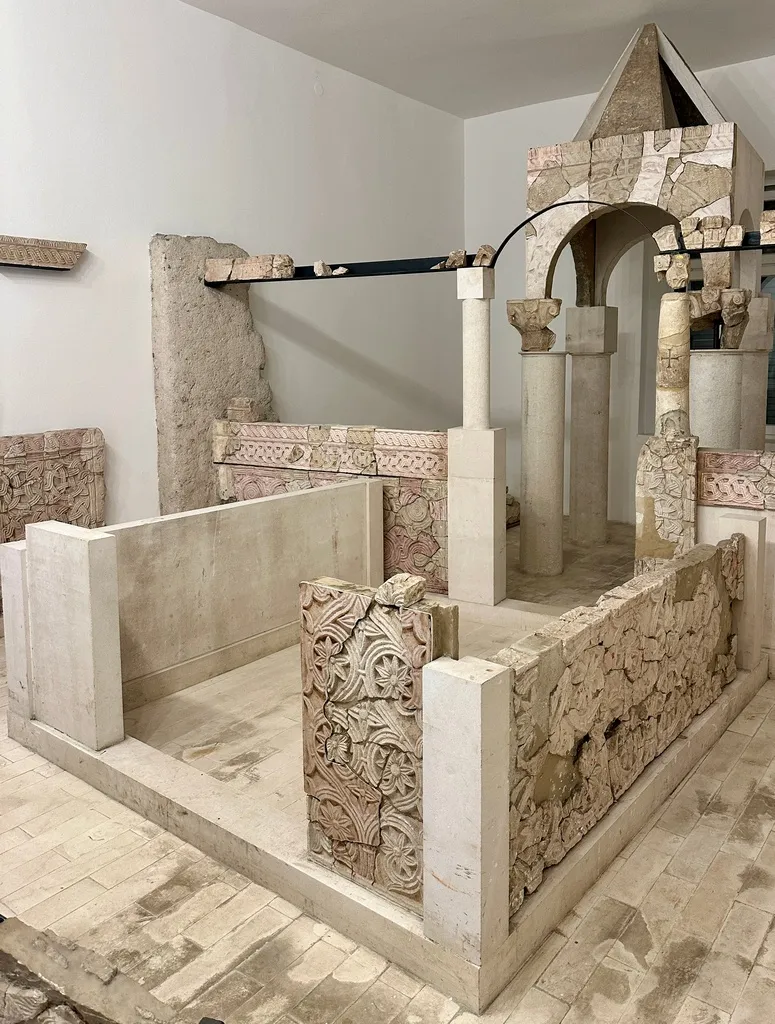
The cultural and historical image of the Danilovgrad area is represented by a permanent exhibition. Museum items are systematized into collections: archaeological, numismatic, ethnographic, collection of weapons and equipment, decorations, coats of arms, photographs and documents.


Particularly valuable is the archaeological collection, formed mainly from objects found in the localities of this area. There are two sites from the Roman period. Within this collection, the most interesting material is from the Martinića castle, in the immediate vicinity of Danilovgrad, from the early Middle Ages.


The exhibition includes: a reconstruction of the early Christian basilica from the aforementioned site, capitals, a Roman tombstone, skyphos, Illyrian weapons, medieval swords that belonged to the Bosnian king Tvrtko I Kotromanić, a pillar from the altar partition from the Šipkova glavica site.


In the ethnographic collection, in addition to sets of luxurious Montenegrin costumes, there are unique stone chains that won the first prize at the craft exhibition in Podgorica in 1934. Among the other exhibits, the company flag from the battle at Vučje dol in 1876 stands out, as well as numerous decorations. As a special curiosity, the trebnik and cross of the priest Đorđe Kalezić, who participated in the National Liberation War, are on display.


Прикажи ову објаву у апликацији Instagram


Објава коју дели Danilovgradski muzej (@muzej_danilovgrad)

donkey farm montenegro

Martinići Donkey Farm – A Heartwarming Agritourism Experience

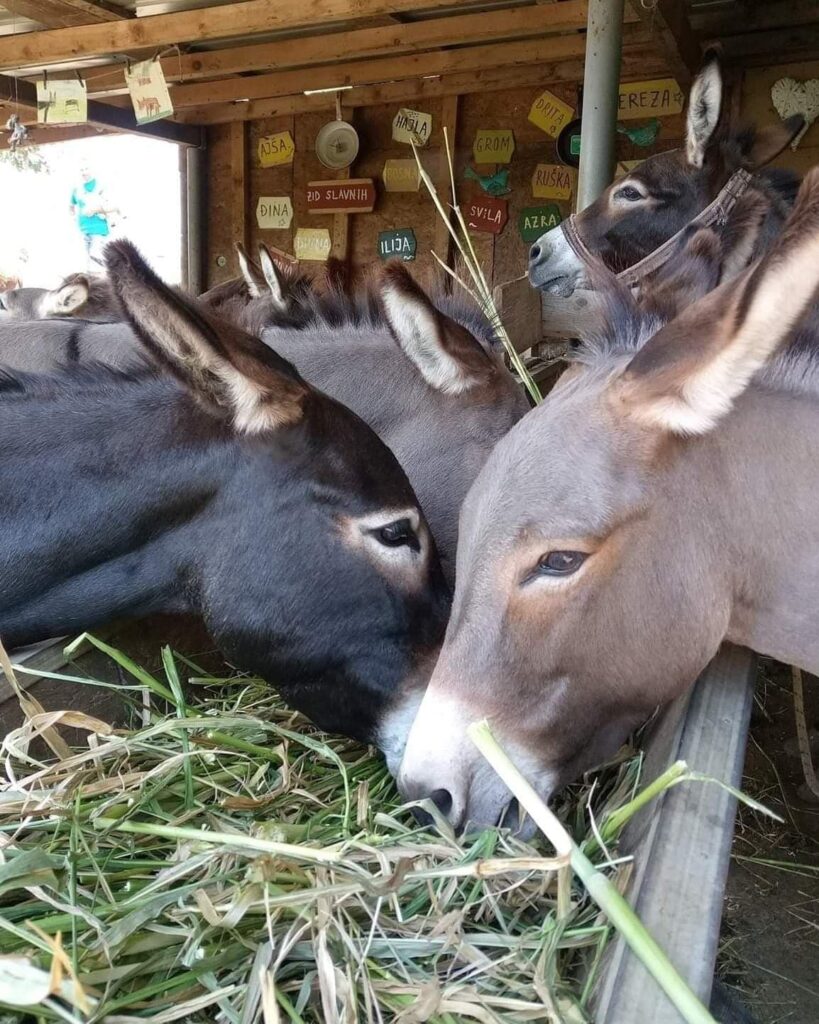
For a truly unique and memorable day trip, take a short ride from Camp Aquarius to the Martinići Donkey Farm (Farma magaraca Martinići). This is the first and only sanctuary of its kind in Montenegro, established with a noble cause: to protect the domestic donkey species from extinction and provide a safe haven for neglected animals.
Today, the farm is a widely popular, self-sustaining agritourism project that has welcomed over 100,000 visitors from all over the world. It is a wonderful destination for families, nature lovers, and anyone looking to experience authentic Montenegrin rural life.
What makes a visit so special?
    • The Carrot Ticket: In place of a traditional entrance fee, visitors are asked to bring 1 kg of carrots or apples (or dry bread) per person. You get to hand-feed the donkeys directly, which is an unforgettable experience—especially for children!
    • Donkey Milk & Local Produce: At the farm’s cozy visitor center, you can learn about the incredible health benefits of donkey milk, taste it, or purchase local organic products like honey and homemade juices.
    • A Humane Mission: Beyond tourism, the farm serves an important social role. It provides free animal-assisted therapy (hyppo-therapy) for children with special needs, making your visit a support to a beautiful cause.

Visitor Information:
  • Opening Hours: The farm is open to the public on Saturdays and Sundays from 10:00 AM to 1:00 PM.
  • How to get there: Located in the village of Martinići (Danilovgrad municipality), it is easily reachable by car, motorhome, or via our rental e-bikes for a scenic countryside ride.


If you need infos on where to buy groceries, do basic maintainance on your vehicle or what to do in your free time check next page by clicking here or just ask some of the Aquarius team on the ground 🙂

Translate »